New to California? Never camped before? Haven't been out in years? No idea of
where to start? We're here to help with all your questions &
introduce you to a new adventure in inexpensive vacationing.
Get outta town more often for a lot less money.
Different types of camping:
From a luxurious cabin in the mountains, to small clearing in near a meadow with a stream & just a backpack. Peoples idea of "camping" is always a bit different.
50+ sites, lots of facilities & families w/ RVs. reservable
developed campground
$25
25 - 50 sites, minimal facilities. plenty of these in our camping section / reservable
small campground
$12
less than 25 sites, pit/vault toilets if any. plenty of these in our camping section
primitive car camping
free /$5 or less
way-out-there camp spots w/ dispersed sites, for the rugged self-contained type, pit toilets if any. dirt roads plenty of these in our camping section
SUV camping
usually free
remote camp spots reached only by steep/bumpy dirt roads; dispersed sites in great areas that are hard. 4 wheel drive may be recommended in some regions Some of these in our camping section
walk-in campsites
free/$10 or less
the site usually require you to haul your camp gear from a parking area to the camp spots, ranging anywhere from simple 1/8 mi. walk to 2 mi. hike Plenty of these in our camping section
backpacking
free/ permit fee?
ultimate in seclusion, bring it all on your back into the wilderness & enjoy trail camps on the way.
Canvas Tent Cabins are half way between roughing it in a tent on the ground & having a regular mountain cabin
Yellow post campsites are for remote camping in secluded areas. No facilities such as toilets or showers. Maybe a picnic table & fire rings, if your lucky. Southern California forest have these kinda spots & do require you to have a campfire permit & double check on fire retsrictions.
It's so Cheap!
Camping is so inexpensive for the entertainment factor. A whole weekend for under $100. Chart below for approximate cost per person for 2-day weekend
hit up primitive
areas
& avoid all campground cost
food
$30
can't really
count this expense
- you will eat groceries at home anyway, right?
Just find a really small campground or explore a dirt road to find a secluded free spot. The average trip can run about $40-50 per person for the whole weekend. Groceries, gas, firewood & maybe even a park entrance fee. All else is FREE. After buying your gear (tent, sleeping bag & stove, etc) once, it can last more than a decade if well taken care of.
Eeeew,Yuk Bugs
If insects are your biggest concern. Follow some of these tips:
Do not camp near any still stagnant water
Do not camp next to swampy wet meadows
Do not wear perfumed products; the less scent the better
Build a small fire, smoke will keep most bugs away
Zip up tent door always. Even if you're just in for a minute
Turn off flashlight before entering the tent. Moths may follow the light in with you
Camp in the cooler months, Spring & Fall
HELPFUL ITEMS:
Citronella fuel
Candles
Tiki torches with fuel
Insect repellent
New Citrus scents are best
Combo sunscreen type
Avon's Skin So Soft Lotion
Screen Room - large tent with open walls
Where to Camp?
some tips for perfect camping & no scoldings or citations from Mr. Ranger:
Never set camp in a meadow (very fragile & can ruin it)
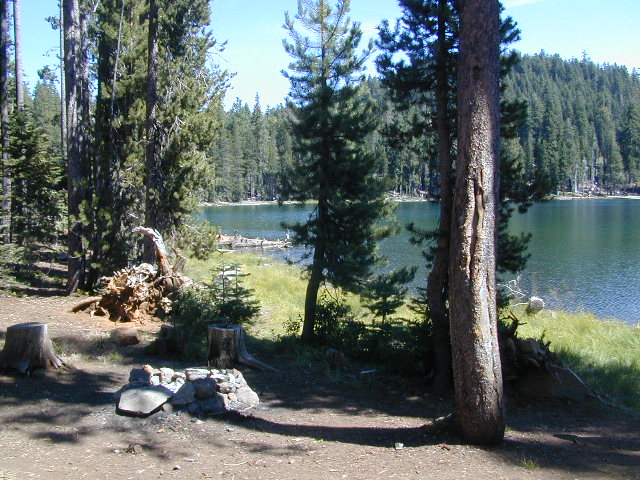
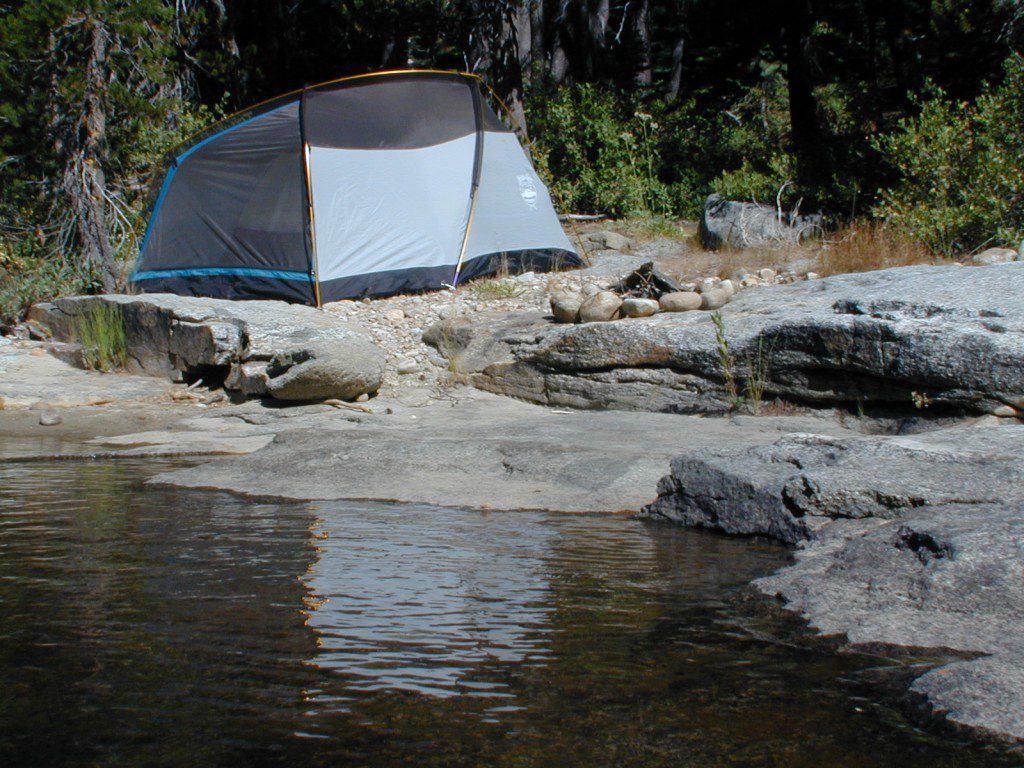
Never camp right on the a creek bed or lake shore. Position camp 100+ feet away so wildlife can drink.
Avoid camping on fragile coastal cliffs. These can get worn down easily & most cliffs are unstable hard packed sand, which can give way, caving in, resulting in danger to you.
Camping on the beach: watch as the tides can come in way too close or on top of you.
Choose an existing campsite in a well used area rather than creating & trampling a new spot.
Do not camp beneath large dead trees. Branches that can come crashing down in the night.
Camping next to a lake or soggy meadow can often result in mosquitoes & insects. Try not to camp near stagnant water.
Avoid camping desert canyons when the threat of rain is approaching: possible flash floods.
Consider the benefits of potential windbreaks. Large rocks, bushes, trees & even a hillside.
Set up camp away from other people. The majority of people go to the wilderness to experience quiet, peace, & solitude.
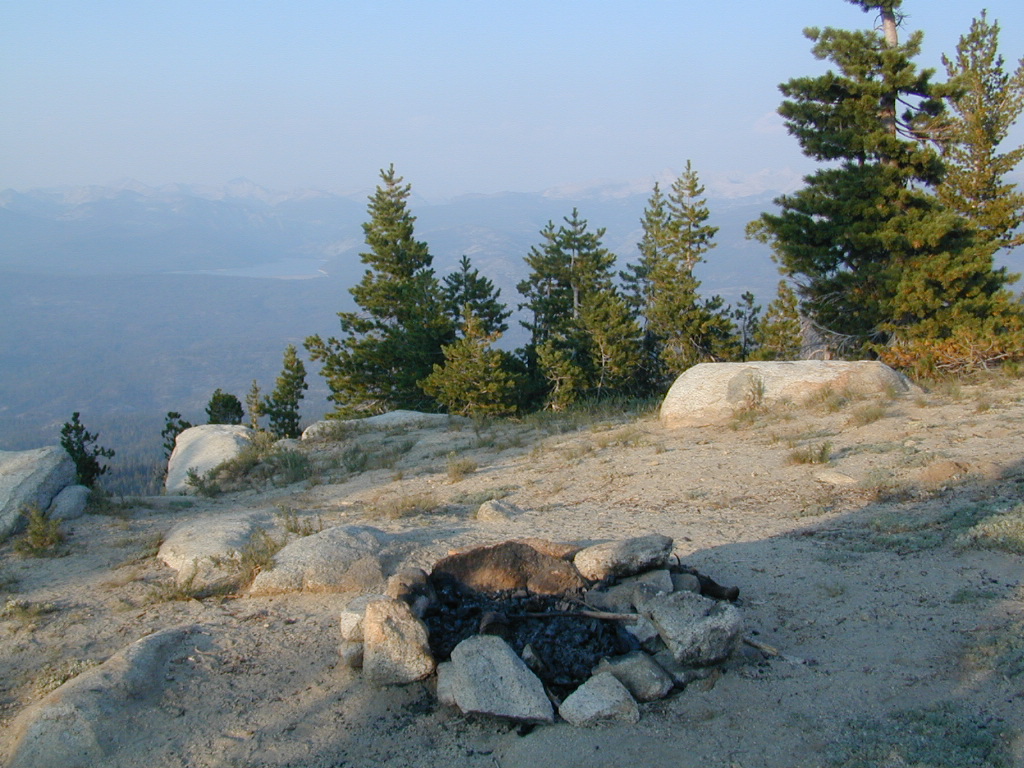
Picking a camp spot on a ridge. The breezes will keep the bugs away and you can't beat the better view.
National Parks- most National Parks are so crowded you can't even enjoy the experience in the summer time. Try the off-season times for your best stay. National Forest are a much better bet for space & less taxing on the wallet for fees.
National Forest- protected wilderness areas throughout state & surrounded National Parks. Tons of small campgrounds & primitive spots for real seclusion. Get a free fire permit & camp almost anywhere you want. Use that SUV exploring the many dirt backroads & find that perfect camp spot.
State Parks - less visited smaller parks with a lot to offer the interested camper. From warm dry deserts to foggy coastal redwoods these parks encompass a large section of California terrain.
Coastal - Southern California beach camping is crowded & sparse, because of developed cities. Central Coast & Northern California offer many more choices in this category.
Mountains - pine forest, mixed oaks & a variety of vegetation. Water sources such as lakes, stream & waterfalls make this choice the perfect camping spots. Granite peaks, high elevations wilderness areas throughout state & surrounded National Parks. Plenty backpacking options & dirt road primitive spots for the ultimate in privacy.
Country - coastal hills or mountain foothills. These rolling hillsides offer small creeks, oak trees & plenty of wide open spaces. Lakes & Reservoirs are located within these regions. Most campgrounds are fairly close driving distance to towns or cities.
Deserts - perfect for every season except summer, these vast spaces will humble just about anyone. Primitive camping galore & designated areas for real off-roading.
City - not the best for really getting away from crowds, but can be an excellent opportunity to visit a city without spending big bucks on lodging. Or could just be a perfect one-nighter for getting familiar with camping. Most campsites are located in the foothill area behind suburbs, in county parks or even coastal.
Year round Fun
season
warning
recommended
Summer
too hot in deserts & country foothills,
smoggy in cities; coast can be foggy
mountains & coast
Autumn
great camping all around,
be careful of early winter storms in mountains
coast, deserts, country
Winter
snow in mountains & very cold,
windy on coast as seasonal storms move in
deserts (possibly)
Spring
snow melt in mountains may be late,
storms can last well into springtime
deserts & country
Summer isn't the only time to go camping.
Avoid the crowds & try getting out before Memorial Day or after Labor Day. Or just try one of the secluded small campgrounds or even primitive car camping. In California we are lucky enough to have great weather most of the year. Perfect for outdoor activities, including camping. The varied terrains & elevations create plenty of micro climates to experience.